
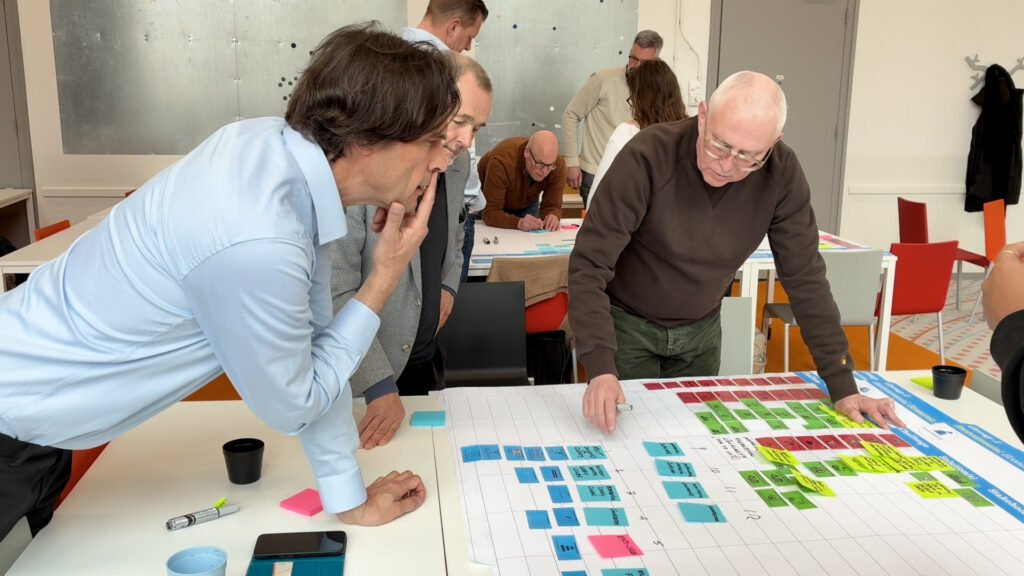
On 1 April 2026, TU Delft hosted a follow-up workshop on Sustainable and Reliable Steel Infrastructures, continuing the work started during the first SUBLIME workshop held in September 2025 at Leiden University. The workshop focused on the challenges, solutions and stakeholders associated with the sustainable and reliable operation and governance of steel infrastructures.
In that the pervious workshop, the participants identified 34 challenges, 33 potential solutions and 16 key stakeholder groups related to the sustainable and reliable operation of steel infrastructures. However, these elements remained largely unconnected. The objective of this second workshop was therefore to move from exploration to structure and bring things together by linking challenges, solutions and stakeholders into a coherent framework for future policy recommendations.
Working in groups, the participants used structured templates (see photo) to map concrete relationships between challenges—such as fatigue, corrosion, high maintenance costs, material scarcity, and environmental impacts—and corresponding solutions. These included, for example, improved monitoring strategies, the use of non-toxic coatings, promotion of circular materials, and adjustments in maintenance and asset management approaches.
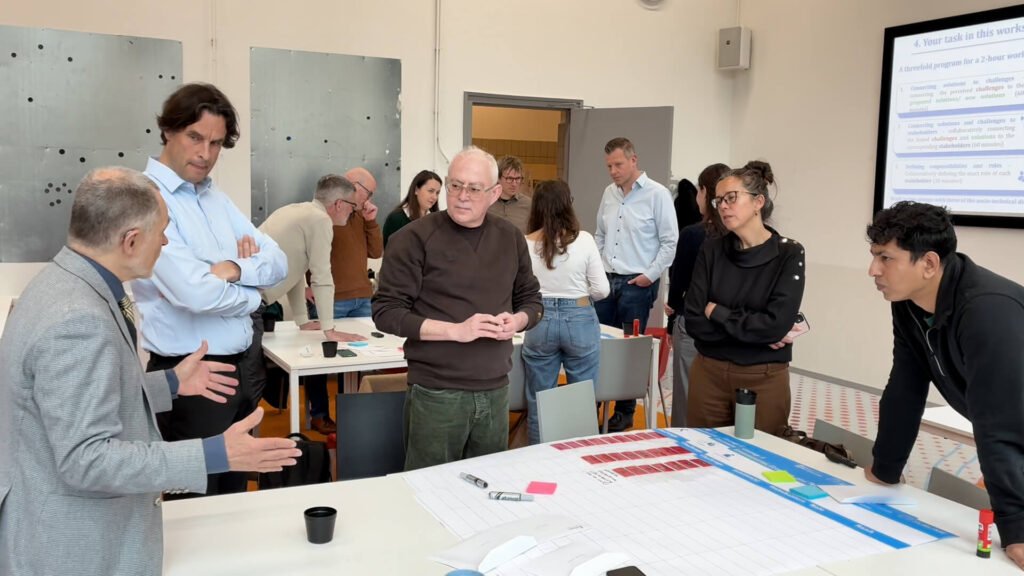
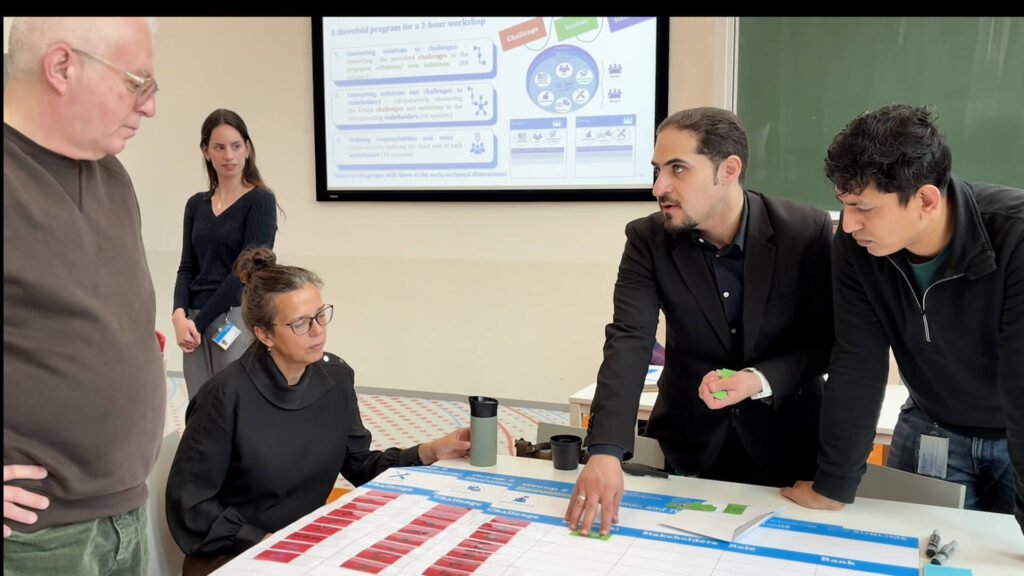
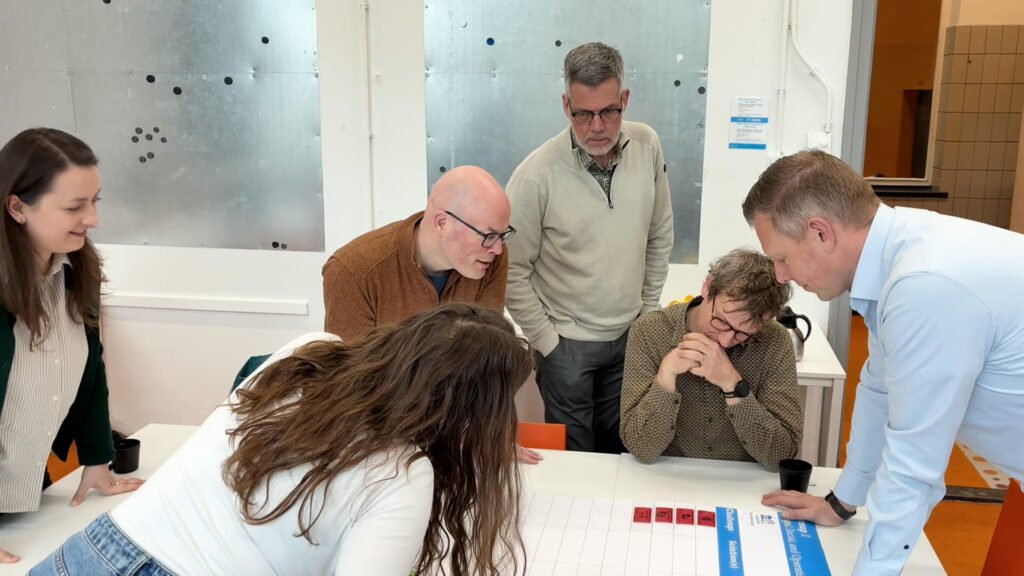
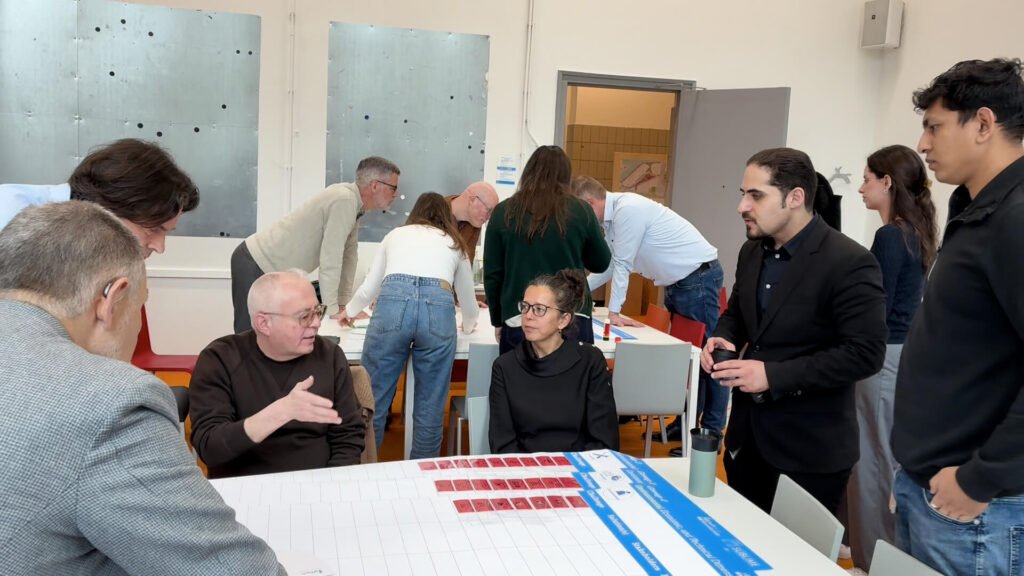
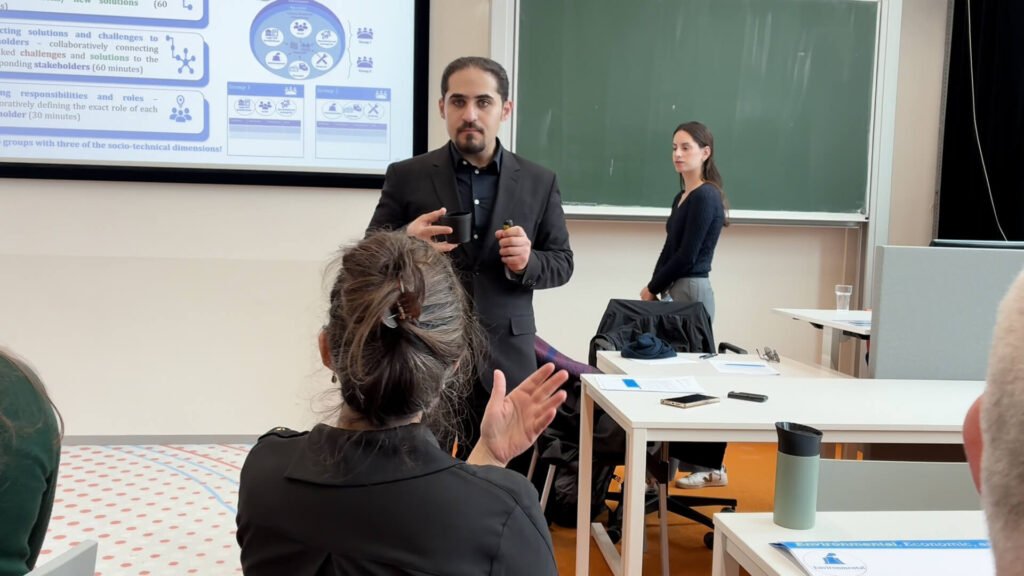
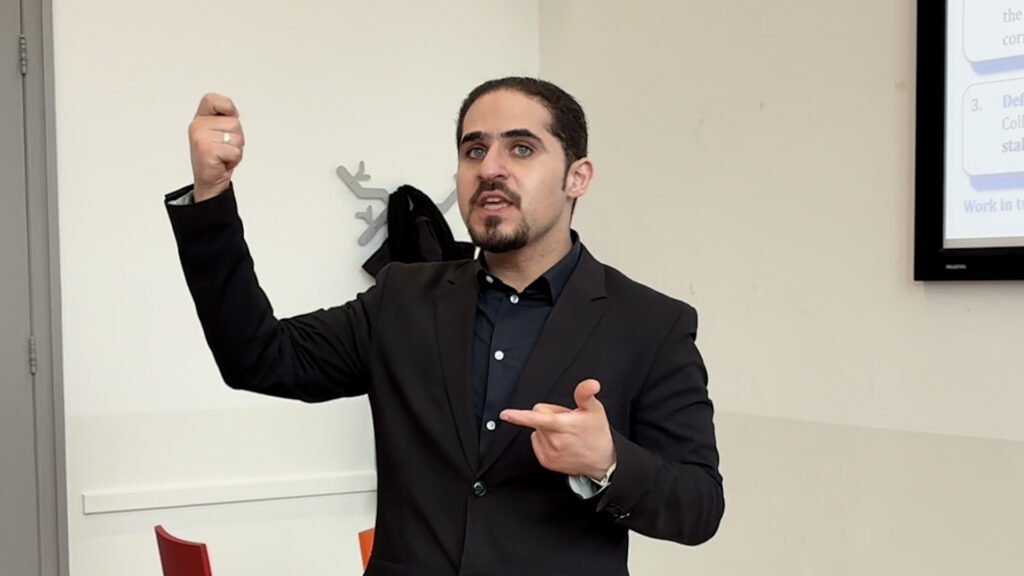
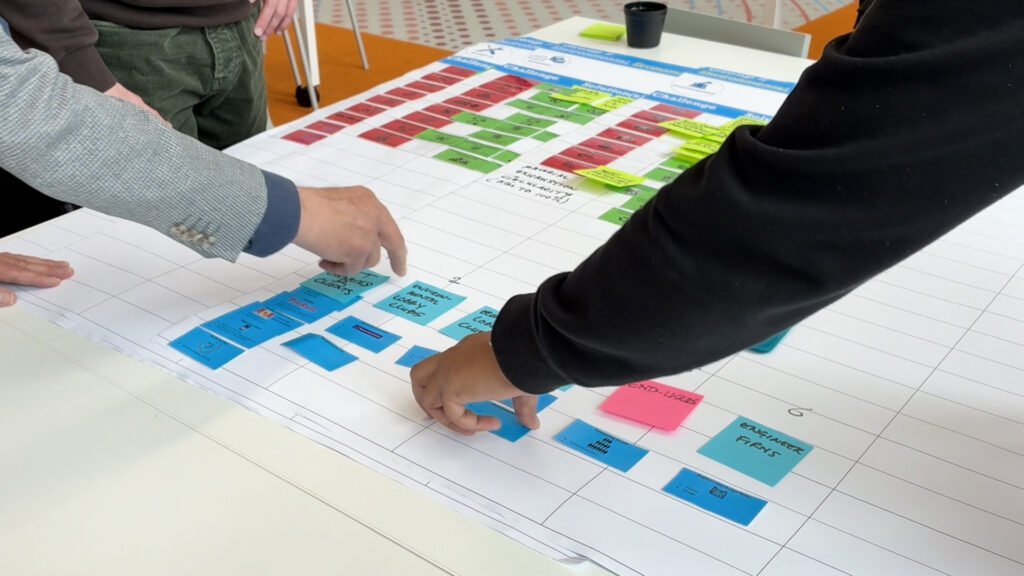
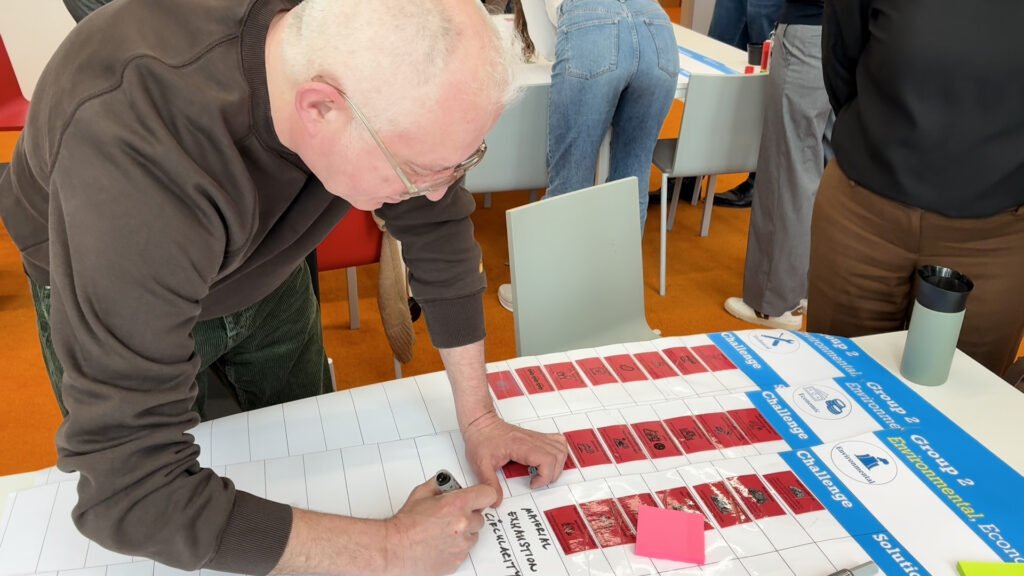
A key step forward in this workshop was the explicit connection to stakeholders and their roles, also the solutions to their corresponding challenge. Participants linked solutions not only to technical challenges, but also to actors such as asset owners, contractors, policymakers, material suppliers, monitoring companies and researchers. This made clear that many solutions are not limited by technical feasibility, but by governance, coordination and economic conditions.
The discussions also highlighted important tensions and also the interdependencies among the different dimensions. For example, while high-performance materials or long-life solutions may be beneficial from a lifecycle perspective, they can be difficult to justify within current budgeting and procurement frameworks. Similarly, better monitoring could extend asset lifetimes, but requires upfront investment and organizational alignment.
By the end of the session, participants had scored the key challenges and reflected on their interdependencies across environmental, economic and technical dimensions. The workshop confirmed that improving steel infrastructure performance requires an integrated, multidisciplinary socio-technical approach rather than isolated interventions.
The outcomes of this second workshop will be used to further refine the connections between challenges, solutions and stakeholders, forming the basis for SUBLIME’s upcoming policy framework. A first version of this framework will be shared with participants for feedback in the next phase of the project.