
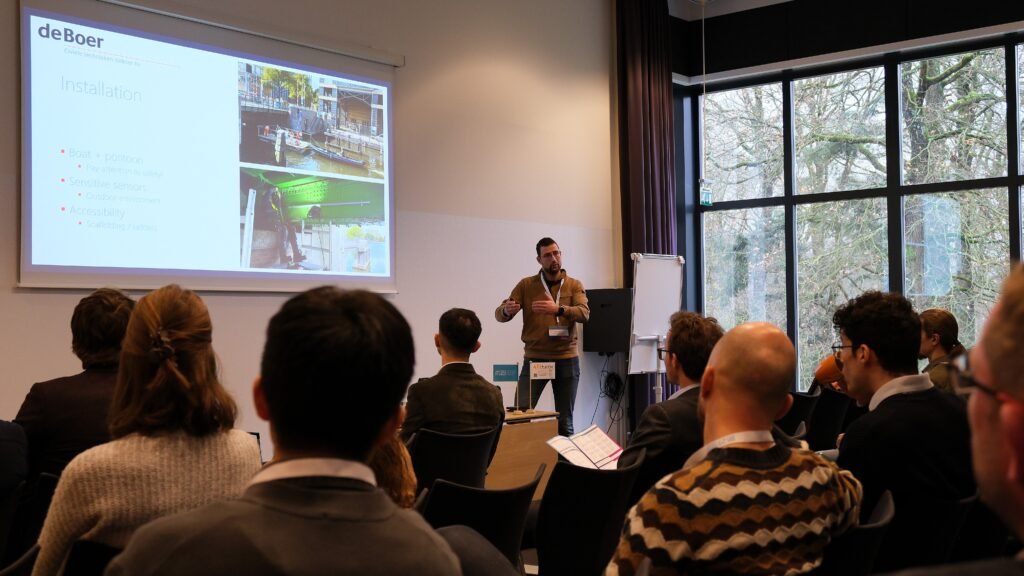
During the 2025 M2i Conference at Papendal, Anton Gorter of Civiele Technieken de Boer presented the progress of SUBLIME’s field monitoring work on the Van Hall Bridge in Amsterdam. His talk, “An on-site measurement campaign – it sounds so simple” highlighted the many practical steps and unforeseen challenges involved in collecting high-quality strain data on a historic movable steel bridge.
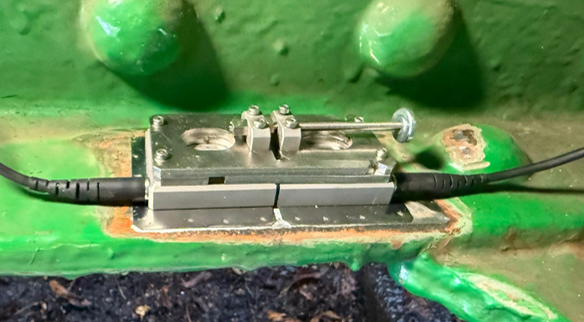
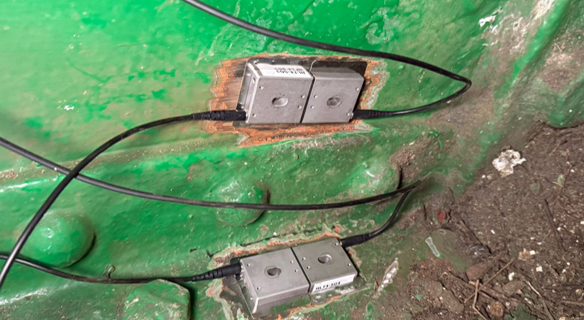
The Van Hall Bridge, a steel movable bridge dating from 1931, serves as one of the key field testing locations within SUBLIME. Although the central question sounded straightforward—can strain measurements be performed on the bridge?—the process revealed how many decisions and preparations stand behind a single monitoring campaign. Working with the SUBLIME research teams, the engineering company Arup first identified the fatigue-sensitive details that required attention: the main girders, affected by opening and closing cycles, and the front cross-girder, which experiences bending from traffic. With these targets defined, the team developed a detailed measurement plan covering sensor types, positions, cable routing, and coordinated data acquisition at 1000 Hz.
Challenges Beneath the Surface
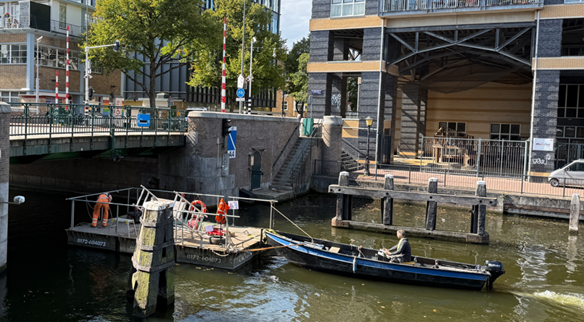
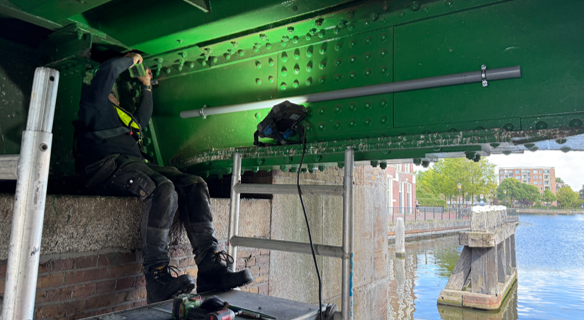
Much of the work took place in conditions that standard engineering drawings never show. The bridge is accessible only from the water, located on a busy Amsterdam shipping route, which required installation teams to work from a boat and pontoon under strict safety measures. Multiple permits had to be arranged—covering waterway use, environmental conditions, traffic measures, and entry into the bascule cellar. Even gaining access to the cellar was a process of its own, as Amsterdam protects the keys to its bridges with great care.
SUBLIME workshop at TU Delft builds on earlier insights
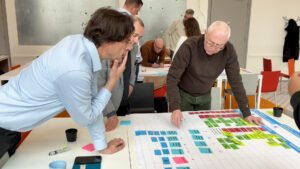
On 1 April 2026, TU Delft hosted a follow-up workshop on Sustainable and Reliable Steel Infrastructures, continuing the work started during the first SUBLIME workshop held in September 2025 at Leiden University. The workshop focused on the challenges, solutions and stakeholders associated with the sustainable and reliable operation and governance of steel infrastructures.
New study helps identify effective monitoring strategies for steel bridges
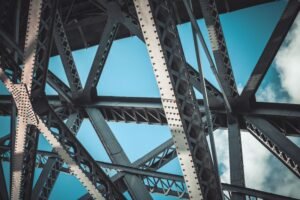
A new publication from the SUBLIME project examines how monitoring and inspection data can improve the assessment of fatigue-critical details in ageing steel bridges. Fatigue cracks can develop gradually under repeated traffic loads. Reliable information about these cracks is therefore essential for deciding whether a bridge can continue to be used safely and when maintenance is needed.
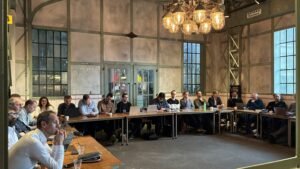
SUBLIME Annual Meeting Showcases Progress, Collaboration, and Real-World Impact
On 27 March, the SUBLIME consortium gathered for its annual user committee meeting, hosted by ProRail in a unique and inspiring setting at the Spoorwegmuseum in Utrecht. The meeting brought together academic researchers, industry partners, and infrastructure stakeholders to exchange insights, review progress, and strengthen collaboration across the project.