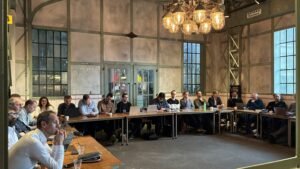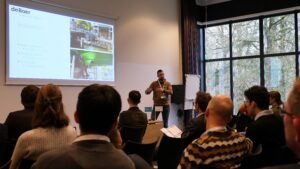
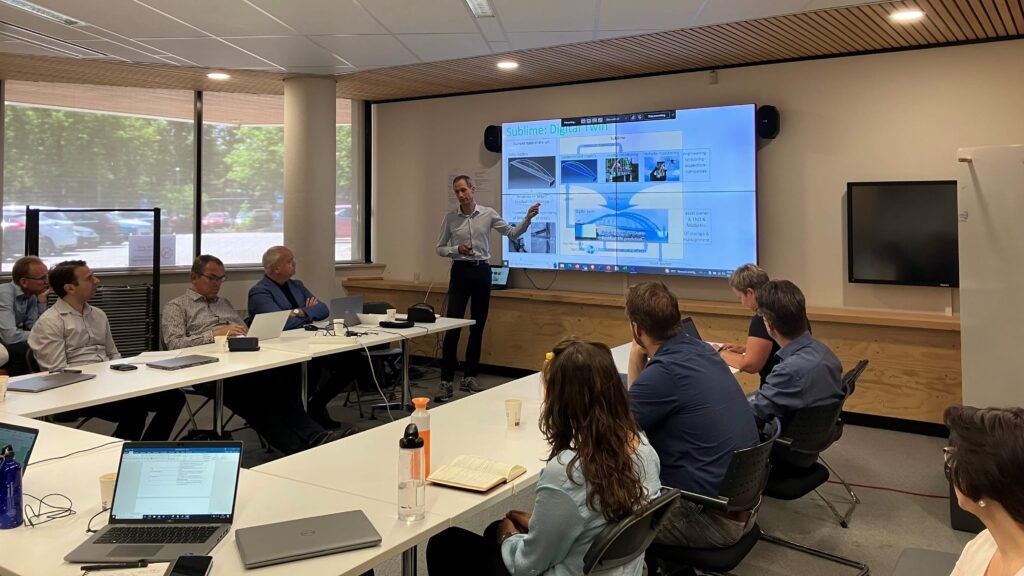
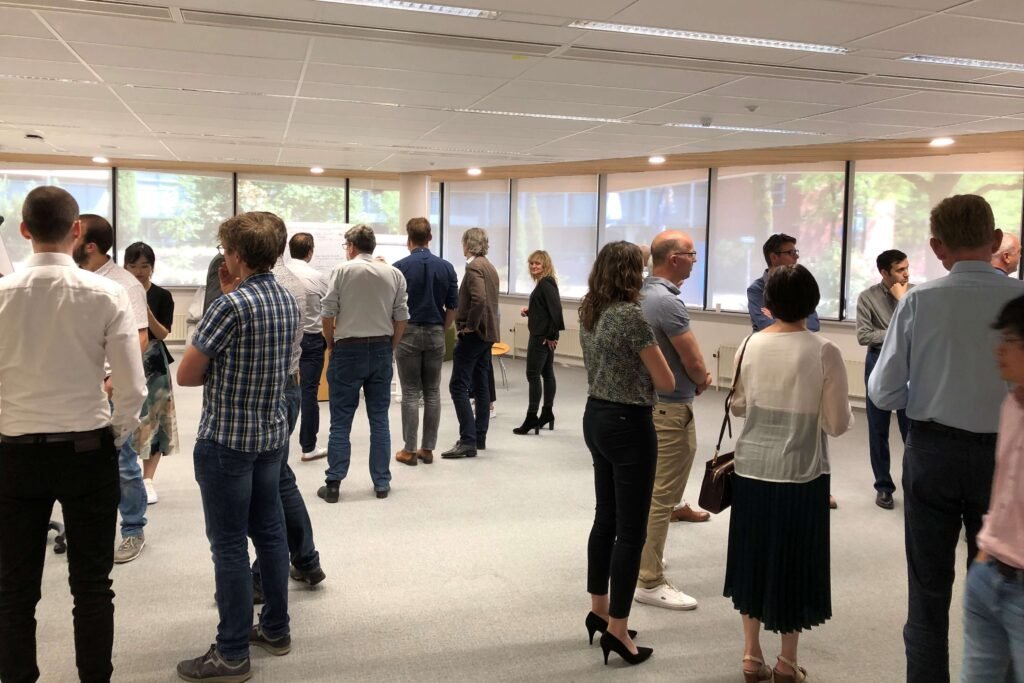
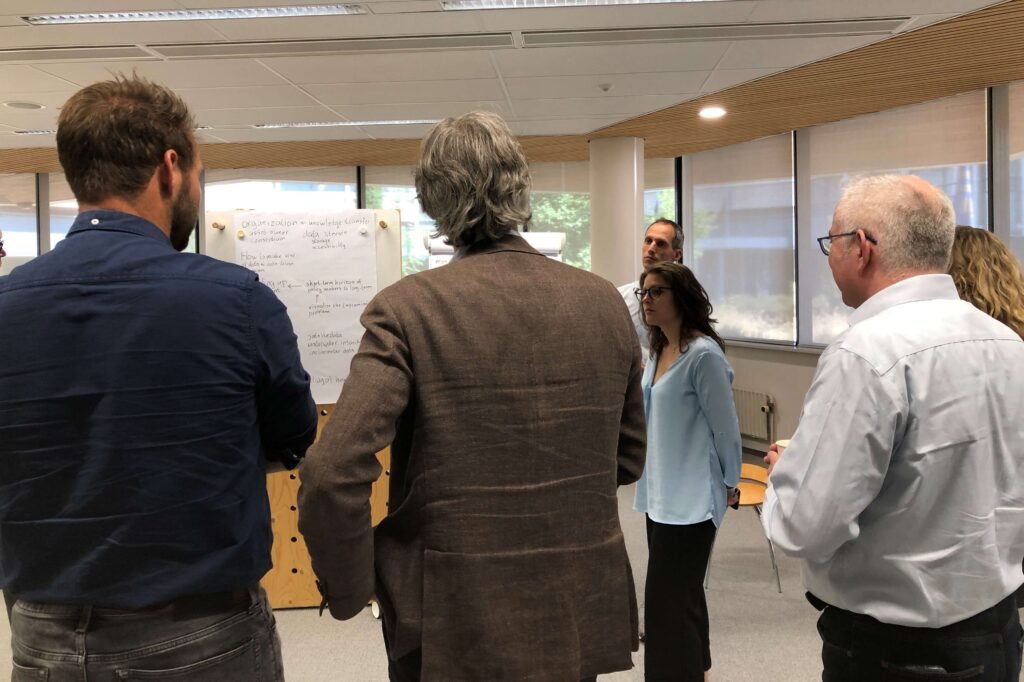
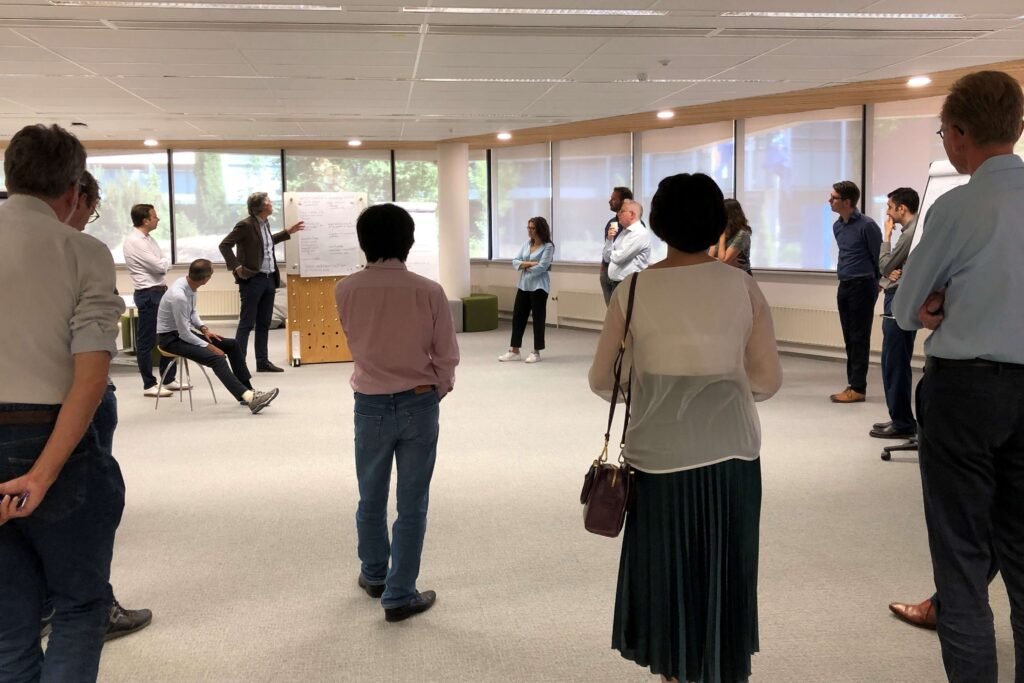
The SUBLIME project, aimed at addressing the degradation of steel infrastructure and improving its reliability and circularity, has begun on a positive note with a successful kick-off meeting held on June 16, 2023 and hosted by Royal HaskoningDHV. The SUBLIME project aims to increase the longevity and safety of large steel infrastructures, such as bridges, sheet piles and lock doors, which are vital for the economy and societal well-being. The project recognizes the significant economic consequences and societal disruptions caused by structural safety issues, unforeseen closures, and the high costs of maintenance and replacement.
Over the course of the SUBLIME project, the consortium will work towards developing the predictive Digital Twin platform, refining the integration of SHM and SPM as well as providing practical recommendations for governance strategies. The project also aims to assess the socio-economic and environmental benefits resulting from the implementation of sustainable and reliable steel infrastructures.
During the event an IMPACT workshop was organised by Jennifer Faber from NWO. The workshop aimed to empower the project team members, researchers and industrial companies to maximize the societal impact of the research efforts. It also served as a crucial platform for the SUBLIME project participants to delve into the realm of knowledge utilization, stakeholder engagement and effective knowledge transfer strategies. The workshop featured an interactive session with insightful discussions, providing the project team with valuable insights and practical tools to enhance the societal relevance of the research outcomes.
By incorporating the NWO Impact workshop into the kick-off meeting, the SUBLIME project demonstrated its dedication to ensuring that its research findings and solutions have a profound and positive impact on society
"The NWO Impact workshop has provided us with valuable insights and practical strategies to ensure that our research efforts lead to real-world outcomes. By actively engaging with stakeholders and considering societal needs, we aim to make a substantial contribution to the sustainability and reliability of steel infrastructures."
Prof. Johan Maljaars
With the successful kick-off, the project is now set to drive innovation and deliver tangible solutions.

CT de Boer Showcases SUBLIME Fieldwork at the 2025 M2i Conference
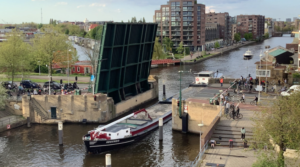
During the 2025 M2i Conference at Papendal, Anton Gorter of Civiele Technieken de Boer presented the progress of SUBLIME’s field monitoring work on the Van Hall Bridge in Amsterdam. His talk, “An on-site measurement campaign – it sounds so simple” highlighted the many practical steps and unforeseen challenges involved in collecting high-quality strain data on a historic movable steel bridge.

Sheet Pile Corrosion Study Begins
The SUBLIME project is taking a major step forward in understanding how steel sheet piles age in real port conditions. In close collaboration with North Sea Port (NSP), TU Delft researcher Prasaanth Ravi Anusuyadevi is preparing the installation of a new field-testing structure that will allow long-term monitoring of corrosion processes on S355 steel.
Following recent discussions between TU Delft and NSP, both partners agreed to install a dedicated sample-carrying structure directly in the port. The design includes three identical frames, each hosting nine steel samples and each intended for different exposure durations: 3 months, 6 months and 1 year. The samples will be positioned at different depths along the waterline to capture how corrosion varies from splash zone to full immersion.

Smarter Cameras from Fewer Views — A Sparse-View Pose Estimation
How do you recreate a 3D scene using just a few pictures from different angles? That’s a challenge many fields face — from drone-based inspections to 3D mapping for remote sensing or structural health monitoring. Qingyu Xian, PhD researcher at the University of Twente, is tackling this challenge head-on in the SUBLIME project with a novel tool that’s already showing strong results: the T-Graph module.

Smarter Testing for Steel Bridges: How Few Tests Can Tell Us More
Many steel bridges across Europe are reaching the end of their intended service lives, raising critical questions about how to assess and extend their safe use. Within the SUBLIME program (“Sustainable and Reliable Macro Steel Infrastructures”), our mission is to ensure that these critical structures remain safe, sustainable, and serviceable for decades to come. One of the program’s key objectives is developing smarter assessment tools that help us better understand the condition of ageing steel — particularly when data is limited. That’s where the work of Elena Zancato, PhD researcher at Eindhoven University of Technology (TU/e), comes into focus.

WP3 Progress Meeting and Workshop on Sustainable and Reliable Steel Infrastructure
On 11 September 2025, the SUBLIME consortium convened at Leiden University for the WP3 progress meeting and workshop on sustainable and reliable steel infrastructure. Presentations by PhD researcher Faysal Tareq (Leiden University, CML) and Mic Barendsz (Bouwen met Staal) addressed material flows, carbon emissions, and circular design strategies. In the afternoon, Dr. Mohammad Hamida (TU Delft) led an interactive workshop exploring technical, environmental, economic, legal, and social challenges, and identifying possible solutions. The event highlighted the importance of combining material analysis, design practice, and governance perspectives to guide the transition toward circular and climate-resilient steel infrastructures.

Ali Sabzi to Present SUBLIME Research at IEEE SmartNets 2025 in Istanbul
On March 21, 2025, the SUBLIME project consortium gathered for its 2nd Annual User Committee Meeting. Hosted by North Sea Port (NSP) at its Vlissingen premises, the meeting brought together over 30 representatives from research institutions, industry partners, government bodies, and funding agencies to reflect on progress, share research outcomes and explore pathways for future collaboration.
The day featured presentations from PhD and EngD researchers, discussions on key user cases and a site-specific boat tour through the North Sea Port, highlighting the real-world relevance of the project’s themes—fatigue, corrosion, digital monitoring and infrastructure sustainability.